Fibre Drums: The Smarter Packaging Choice for Companies Facing EPR in India
Extended Producer Responsibility (EPR) has become a defining factor in how businesses in India approach packaging. With stricter compliance requirements under the Plastic Waste Management Rules and other EPR frameworks, companies can no longer ignore the environmental impact of their packaging choices.
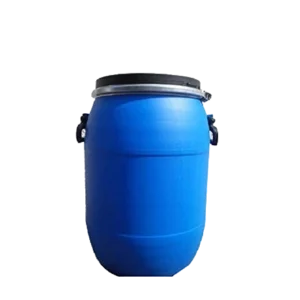
For years, HDPE drums (High-Density Polyethylene) have been the go-to solution for transporting chemicals, food ingredients, pharmaceuticals, and industrial goods. But under India’s evolving EPR regime, plastic drums have turned into a compliance burden — difficult to recycle, costly to process, and a constant risk for penalties.
Why HDPE Drums Are Becoming a Liability Under EPR
HDPE drums are strong and versatile, but when it comes to EPR compliance, they pose multiple challenges:
Difficult recycling: Contamination from dyes, adhesives, agrochemicals, and pharma products makes HDPE drums hard to recycle responsibly.
Compliance pressure: Companies must collect back equivalent quantities, buy EPR certificates, and meet recycling targets — a time-consuming and costly exercise.
Environmental footprint: HDPE is derived from fossil fuels, and discarded drums add to India’s growing plastic waste crisis.
Key Responsibilities Under EPR Rules (India)
1. Registration
Producers, Importers, Brand Owners (PIBOs) of packaging, electronics, batteries, tyres, etc.
Unregistered entities cannot legally operate.
2. EPR Targets
Companies must take back, recycle, or ensure disposal of waste equivalent to what they put in the market.
3. Collection & Channelization
Establish systems for collection of post-consumer waste.
Channelize waste only to registered recyclers, plastic waste processors (PWPs), or authorized end-of-life facilities.
Ensure traceability through documentation.
4. Recycling, Reuse & End-of-Life Disposal
Meet recycling obligations via:
Mechanical recycling
Reuse of certain packaging (rigid plastics, reusable drums, bottles).
End-of-life disposal (waste-to-energy, co-processing) only for non-recyclables, as per limits.
5. Purchase of EPR Certificates
Companies may purchase EPR certificates from registered recyclers/PWPs to show compliance.
Certificates = proof of waste processed/recycled.
6. Use of Recycled Content
Producers/brand owners must gradually increase recycled plastic content in packaging as per CPCB-prescribed percentages.
7. Penalties for Non-Compliance
CPCB/SPCBs can impose environmental compensationfor:
Non-registration.
Failure to meet targets.
False reporting or data manipulation.
In short, what was once a convenient packaging solution is now a sustainability and compliance challenge.
What is the sustainable, cost-effective, and EPR-friendly alternative that companies across industries are now embracing?